
死神来了
1,500-year-old glazed pottery reveals Eurasian cultural exchanges in ancient northern China_我的网站

一 | 中新网8月26日电 8月26日,国务院台办举行例行新闻发布会。
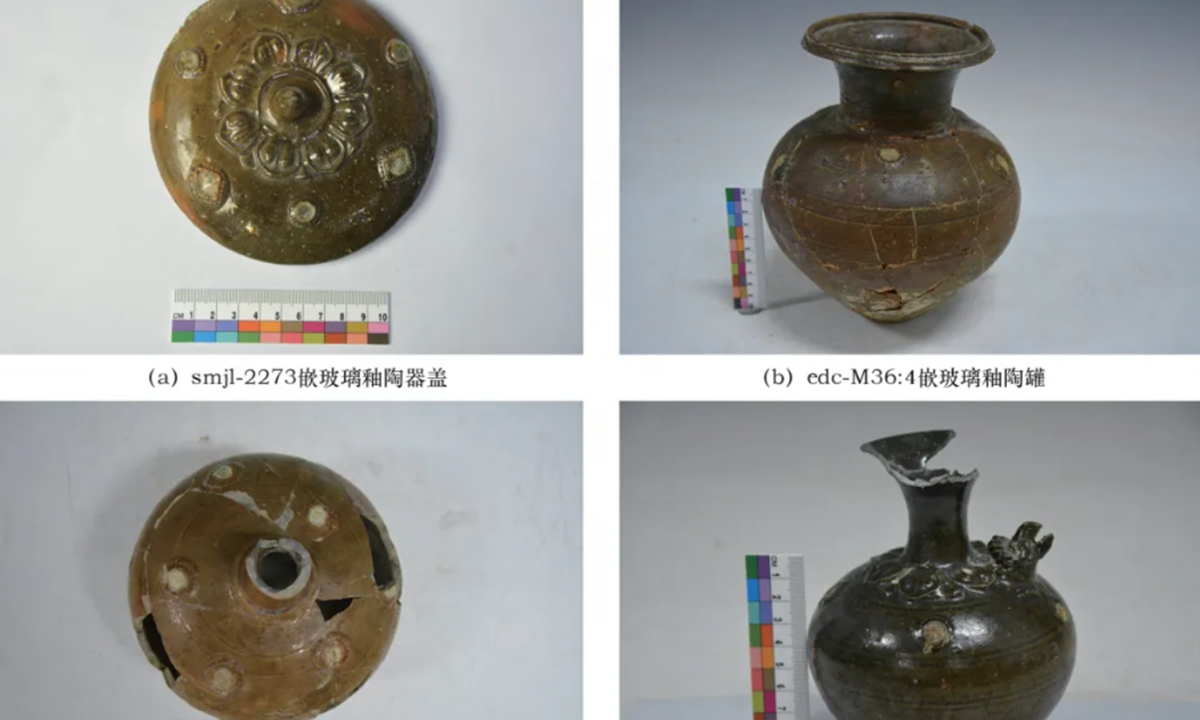
Systematic analysis conducted by the institute of pottery wares dating back to the Pingcheng period of the Northern Wei Dynasty (386-534) has identified distinct foreign cultural and technological elements embedded in the craftsmanship and material composition of the unique artifacts, shedding fresh light on ancient Eurasian cultural integration.
Established by the Tuoba Xianbei ethnic group, the Northern Wei Dynasty designated Pingcheng, present-day Datong city in Shanxi Province, as its capital from 398 to 494. For nearly a century, the city served as a pivotal multicultural hub where Xianbei nomadic culture, Central Plains Han culture and diverse Western Regions civilizations converged and interacted, according to a report on Chinanews.com.cn.
Archaeological excavations at multiple tomb clusters in Pingcheng, including the Dongxin Northern Wei cemetery and the Qilicun cemetery, have yielded a total of eight pieces of glass-inlaid glazed pottery. Though far fewer in number compared with common glazed pottery figurines and painted glazed wares, these artifacts feature an extremely rare inlay technique unseen elsewhere in the developmental history of Chinese ceramics, according to the press release.
Given the exceptional rarity and good preservation of the relics, researchers selected four representative pieces for comprehensive laboratory testing and material analysis. The results show that the glass inlays are primarily soda-alumina glass, most likely produced by remelting trade beads from the Indian Ocean and Pacific regions, a key commodity in ancient maritime and overland trade networks.
The findings confirm that Pingcheng maintained frequent cross-border trade and cultural communication during the Northern Wei era, with access to glass raw materials sourced from diverse overseas regions. The varied compositional characteristics of the inlaid glass provide crucial clues for studying ancient glass-making technologies, raw material circulation and long-distance trade routes in ancient East Asia, the press release noted.
Beyond material composition, the artifacts also embody prominent cross-cultural innovation in design. Their decorative motifs draw heavily on gem-encrusted gold and silver wares of the Sasanian Persian Empire, while integrating artistic elements from other Eurasian regions. The blended design styles reflect the era's prevailing trend of multicultural fusion and creative assimilation of foreign civilizations.
Archaeologists noted that the glass-inlaid glazed pottery represents an innovative technological achievement crafted by Northern Wei artisans who absorbed and refined foreign techniques and aesthetics. The distinctive craftsmanship and stylistic features of these wares exerted a far-reaching influence on ceramic production in surrounding regions and subsequent dynasties, marking a vital chapter in the evolution of ancient Chinese ceramic art.
The research underscores that ancient China's northern borderland was not an isolated cultural enclave, but an active node in Eurasian cultural and trade exchanges, where foreign elements were localized and innovated to form unique regional civilizational achievements, archaeologists from the Shanxi Provincial Institute of Archaeology said.
。

二 | 有记者问:近日,台教育部门称,已配合陆委会建立“登录平台”,岛内学校赴大陆交流需在该平台填报信息,如填报不实,将考虑扣减未来学校申请交流补助或活动设备。此举再度引发部分岛内学校对参与两岸教育交流产生顾虑。请问对此有何评论? 国台办发言人张晗表示,民进党当局破坏两岸教育和青年学生正常交流无所不用其极,充分暴露其阻碍两岸人员往来和各项交流合作,升高两岸对立对抗的险恶用心。事实一再证明,民进党当局是两岸交流交往的最大障碍,是台海和平稳定的最大威胁。要和平、要发展、要交流、要合作是岛内社会主流民意,两岸同胞走亲走近的愿望、两岸交流合作的大势不可阻挡。任何开历史倒车、违逆民心民意的行径,终将被民意所唾弃。(中新网“燕新台”工作室) 【编辑:刘欢】。
Current article:http://4p3wxxo.tichannangenzhuchuapin.cfd/news/20260826_33305.html
Published on:03:04:45
最新文章
标签云
热门文章
- 不给糖就捣乱 任天堂免费提供2022万圣节特别壁纸
- Confirmed: Salman Khan Is Working on Kick 2
- Former nurse sentenced to 30 years for sexually assaulting multiple inmates at Oregon's only women's prison
- 美国再度挥舞关税大棒:将对加拿大汽车、钢铁加征50%!
- 2025年618活动什么时间最便宜确认:从6月16日晚上8点开始最划算优惠力度最大
- 运输秩序恢复!广铁受暴雨影响的铁路线路正常开行
- China's 'Lychee Capital' Maoming posts record exports despite off-year
- 卡福:阿诺德和卡瓦哈尔有些类似,若他加盟对皇马价值极高
- 昨天,两条不起眼的新闻,透露中美博弈大势
- Toptoy拒绝退款